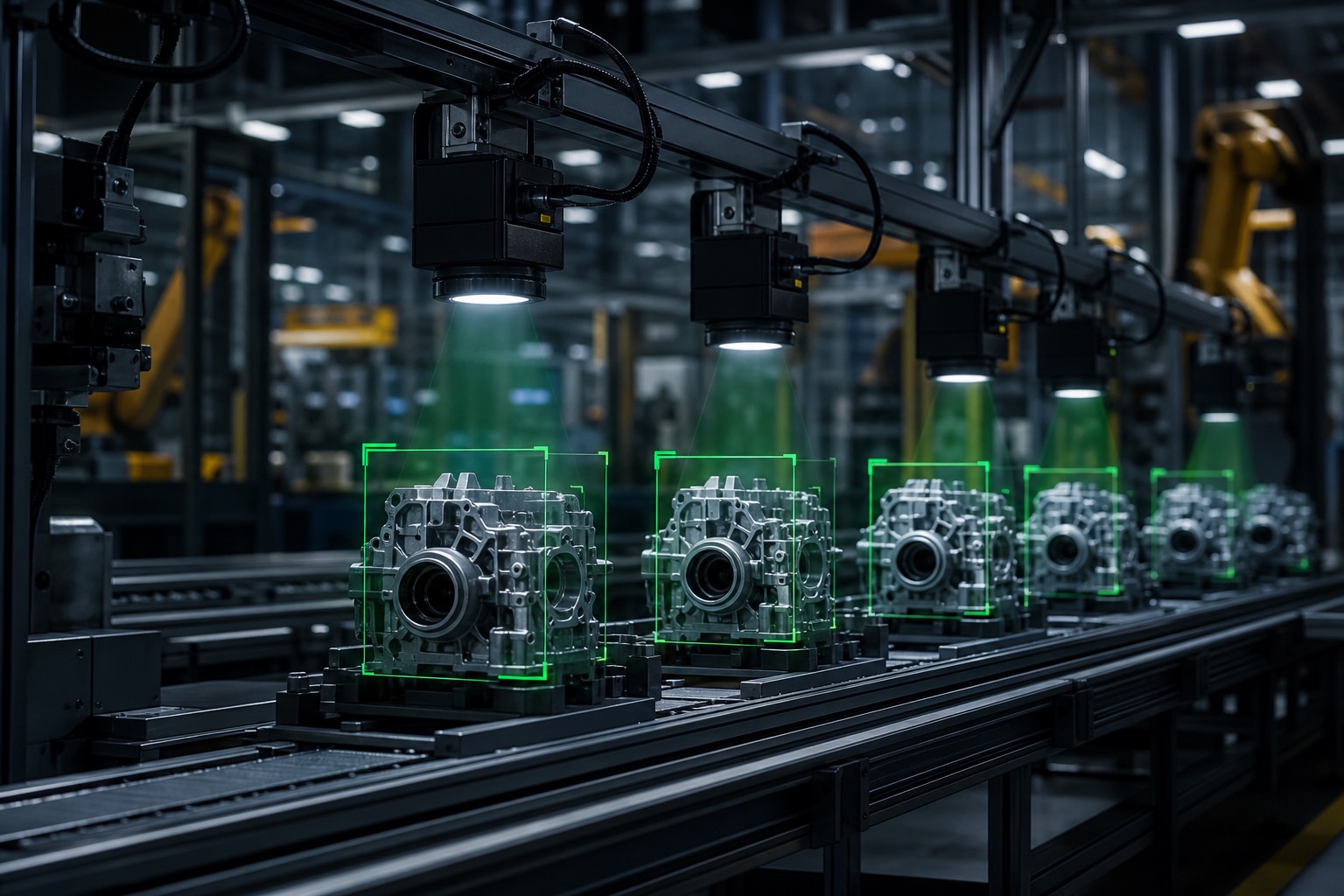
AI for production · HSE · warehouse · retail
AI video analytics: quality control and smart cameras
AI for production, construction, warehouse, and retail: AI cameras + neural-network training on your data. Quality control, safety/HSE, flows — 24/7 facts, not “verbal” reports.
from $2,841 · pilot 3–6 weeks · What the quote is made of · Pilot program · All pricing
The idea
Any offline operation can be digitized. Cameras are already there or we install new ones — AI watches the stream 24/7 and logs what a person misses. Leadership sees where money, quality, and safety leak.
 Detection
Sees what the eye misses
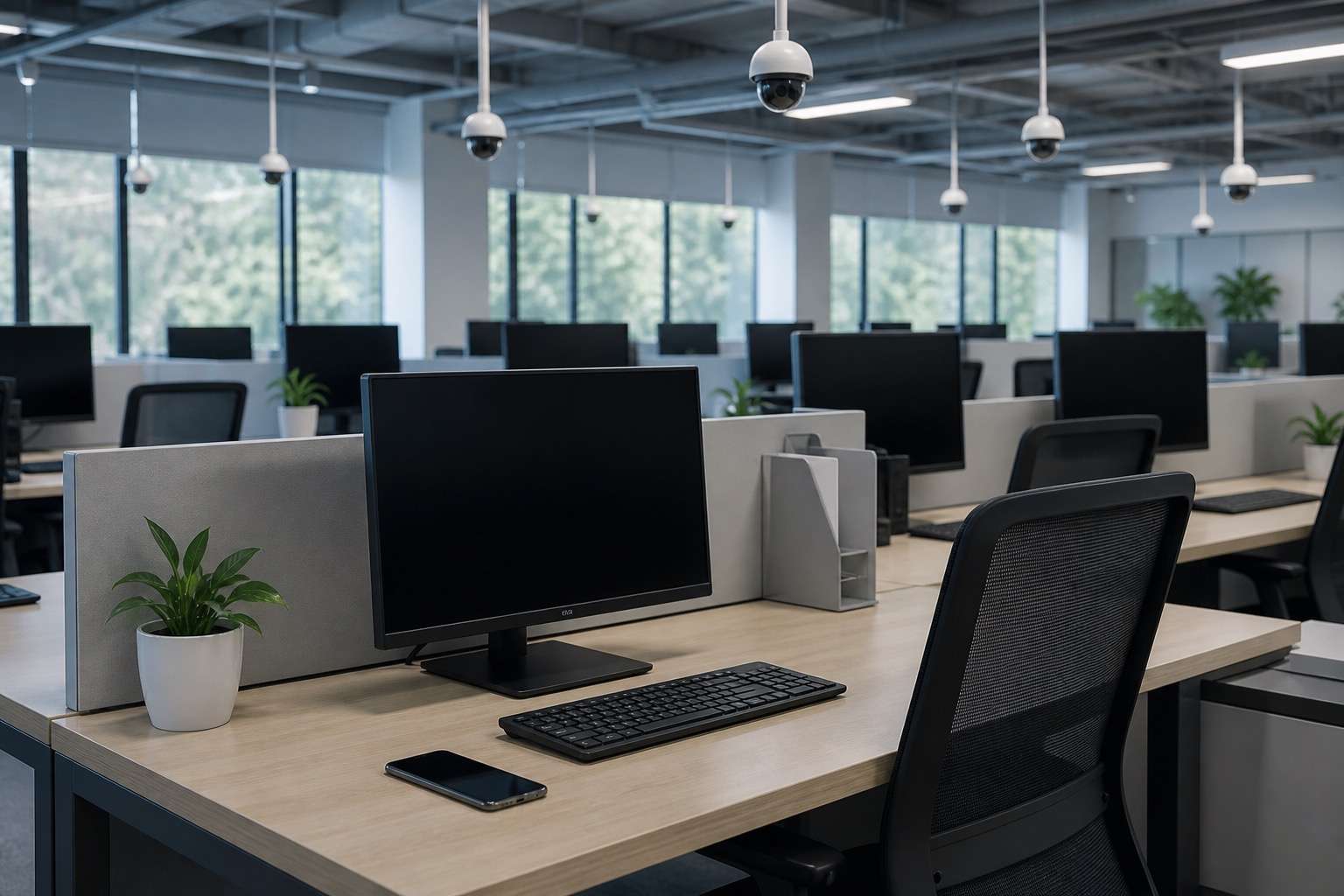
No hard hat, a defect on the line, an empty table at peak hour, a phone instead of work — the system marks the event at the moment it happens.
 Analytics
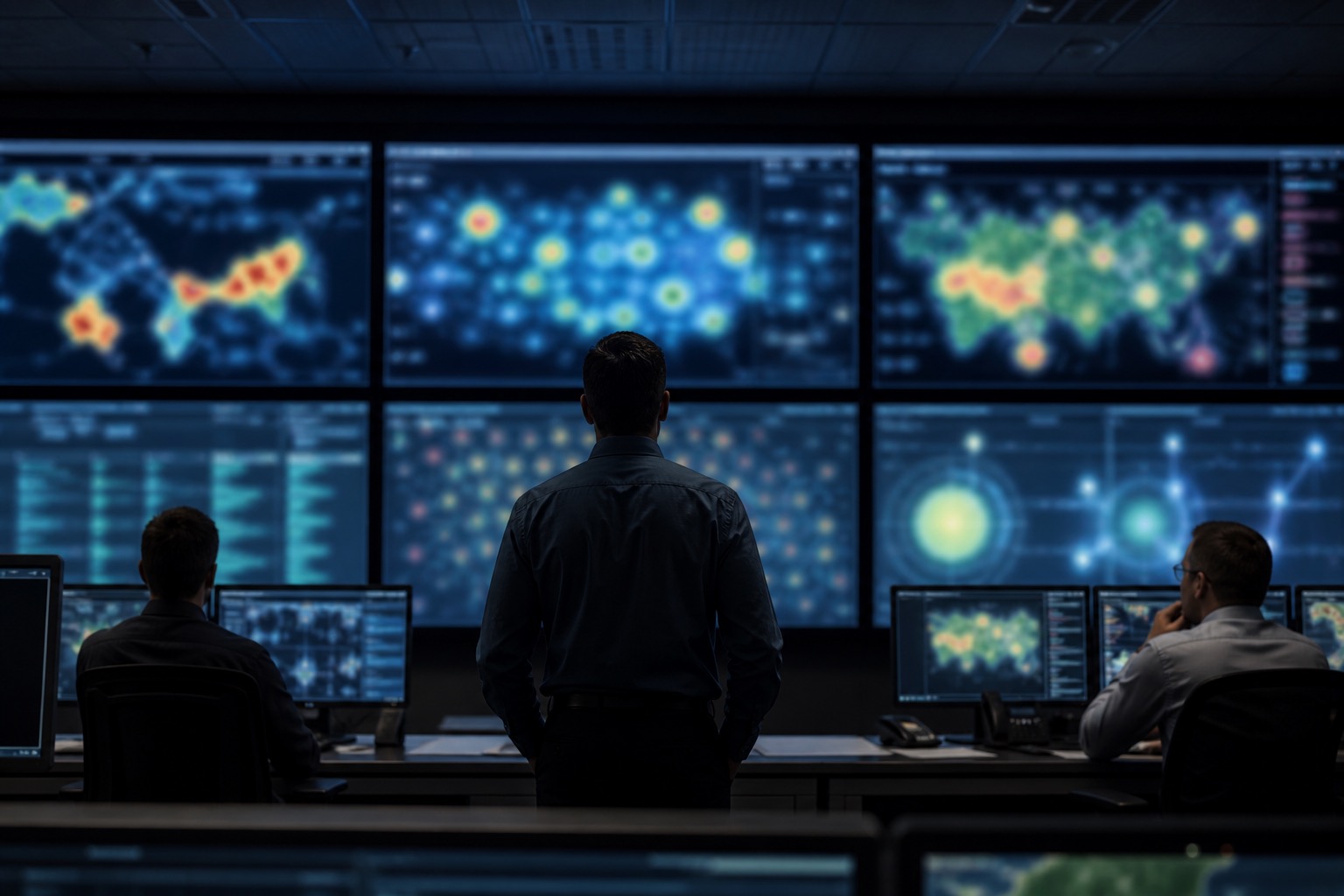
Maps the “holes” in the business
Not just camera recording, but a summary: where violations happen most, which section defects come from, which zone sits idle. Clear what to fix first.
 Custom
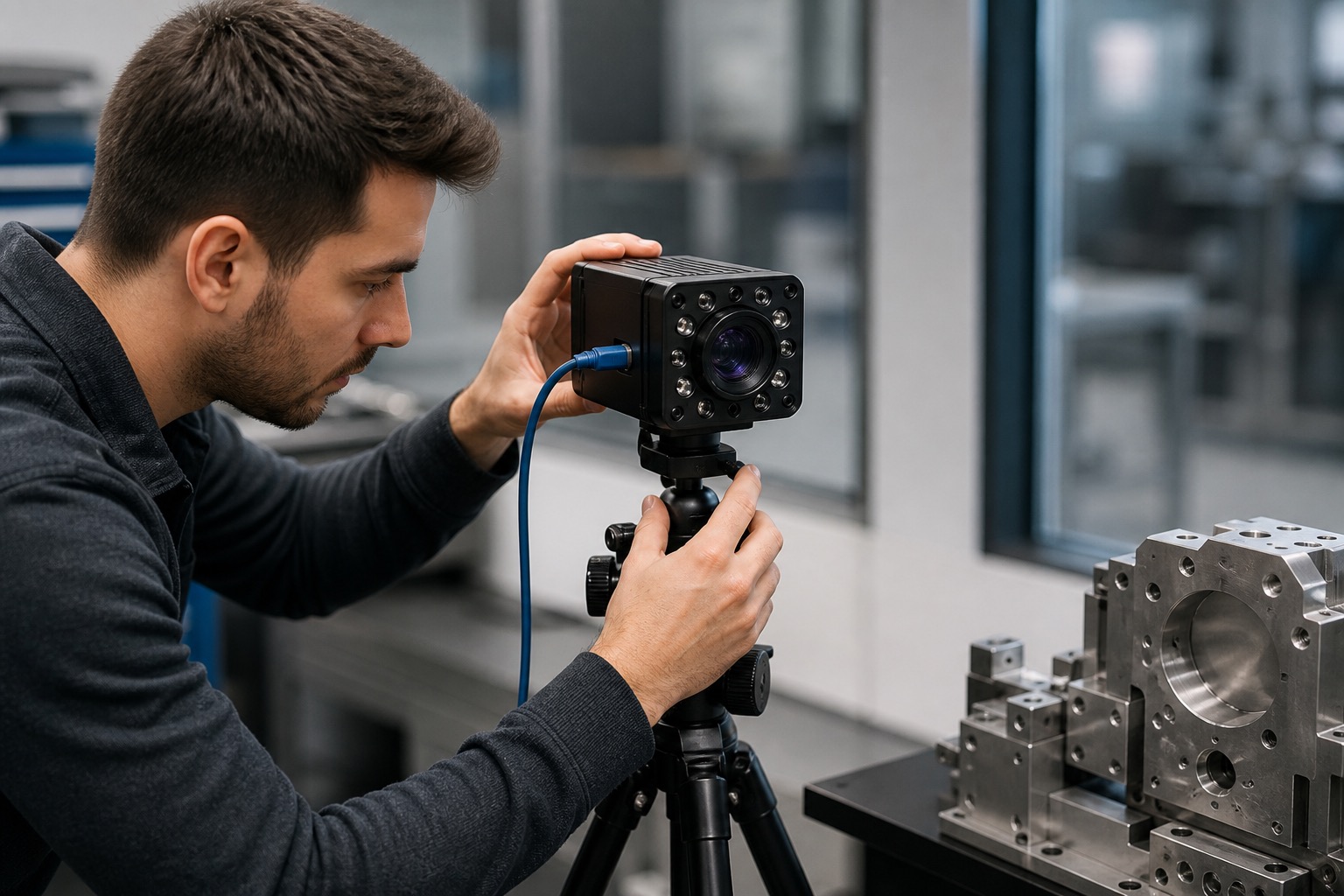
Works for your scenario
We train the model for your site: construction, shop floor, restaurant floor, hotel desk, or an office shift. Not a generic “box,” but a job tied to the process.
What the system can do
One contour — different rules per industry. Below are typical scenarios that pilots usually start with.
01 / 04
Quality control and defects
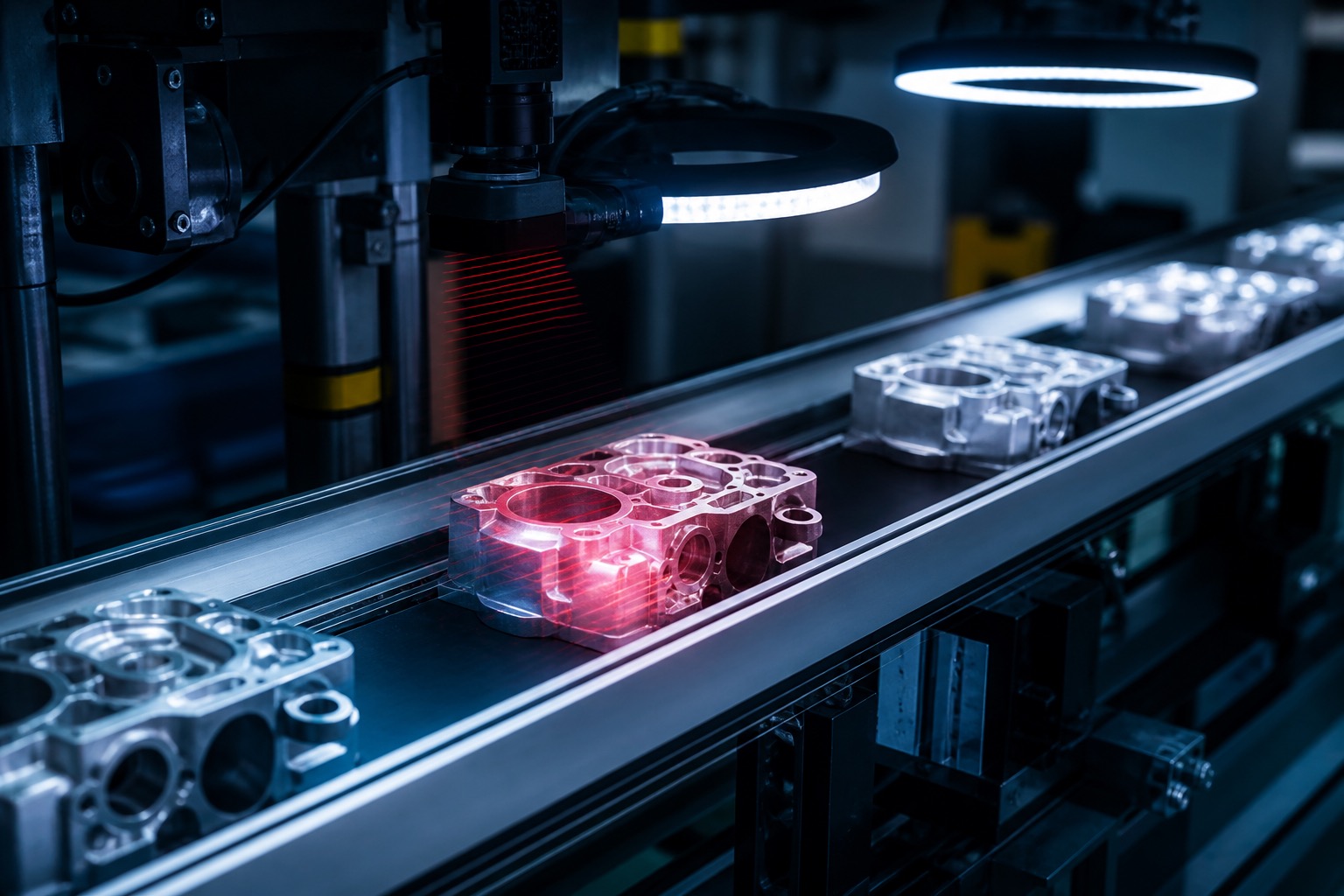
AI finds defects on the line or conveyor faster and more steadily than a person: chips, cracks, incomplete kits.
Where this is already clear to the client
Not abstract “computer vision,” but concrete offline-business jobs. If your case is not on the list — describe the process: we can almost certainly digitize it too.
01 / 06
Construction
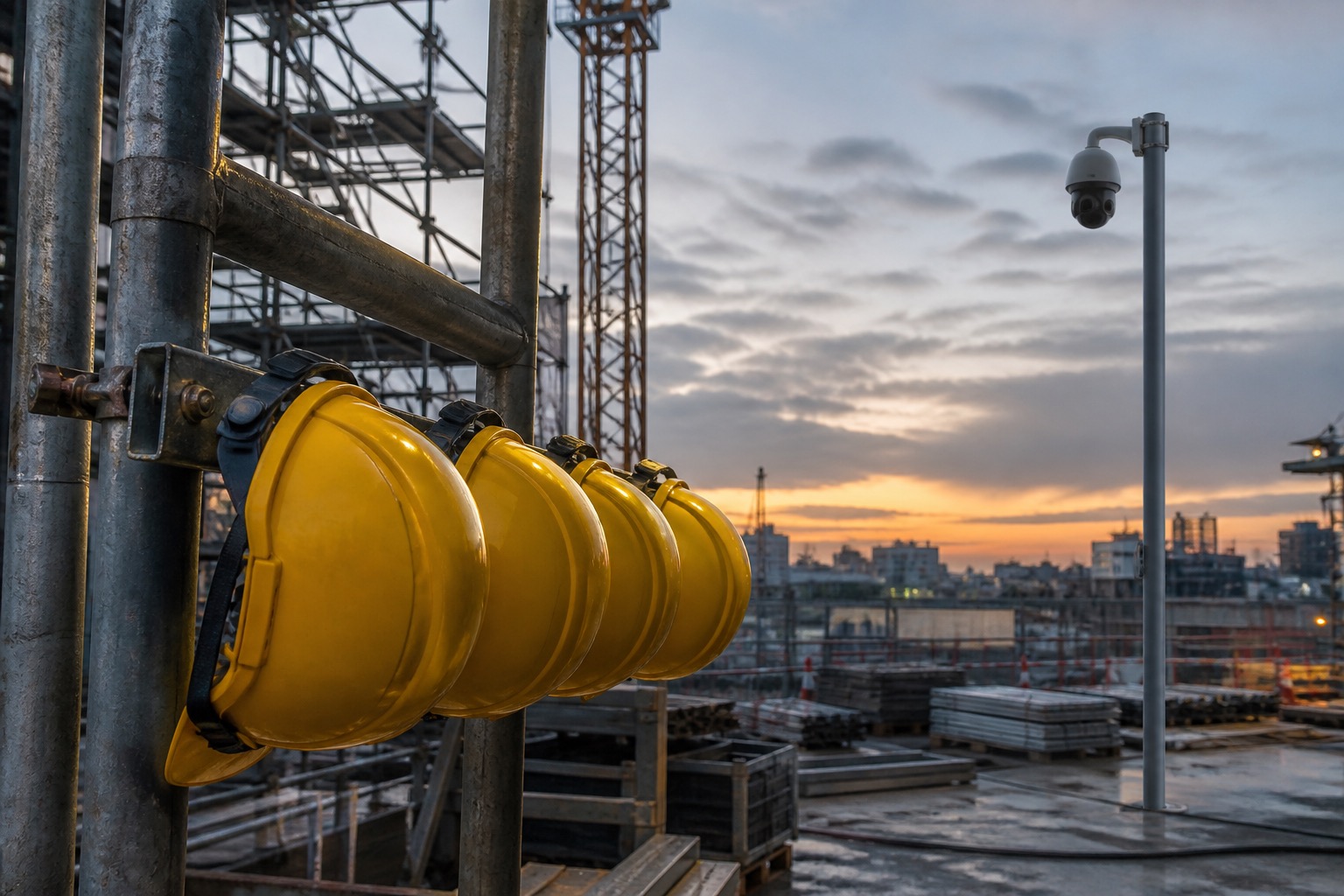
Hard hat on, vest, barriers, presence in a hazardous zone. The system catches safety violations on site in real time — fewer injuries and labor-safety claims.
Video analytics scenario catalog
Dedicated URLs: line defects and PPE/HSE — outcome, pilot program, cloud vs on-prem, contract criteria. Warehouse and queues are the next wave.
Defects and quality control on the line
Fewer defects before shipment: AI finds defects on the conveyor. 3–6 week pilot · 2–4 cameras · criteria in the contract.
Defect scenarioPPE and occupational safety (HSE)
A PPE violation → alert to the floor lead at the moment it happens. HSE pilot: 1 zone · 3–6 weeks · criteria in the contract.
PPE scenarioWarehouse: zones, flows, equipment
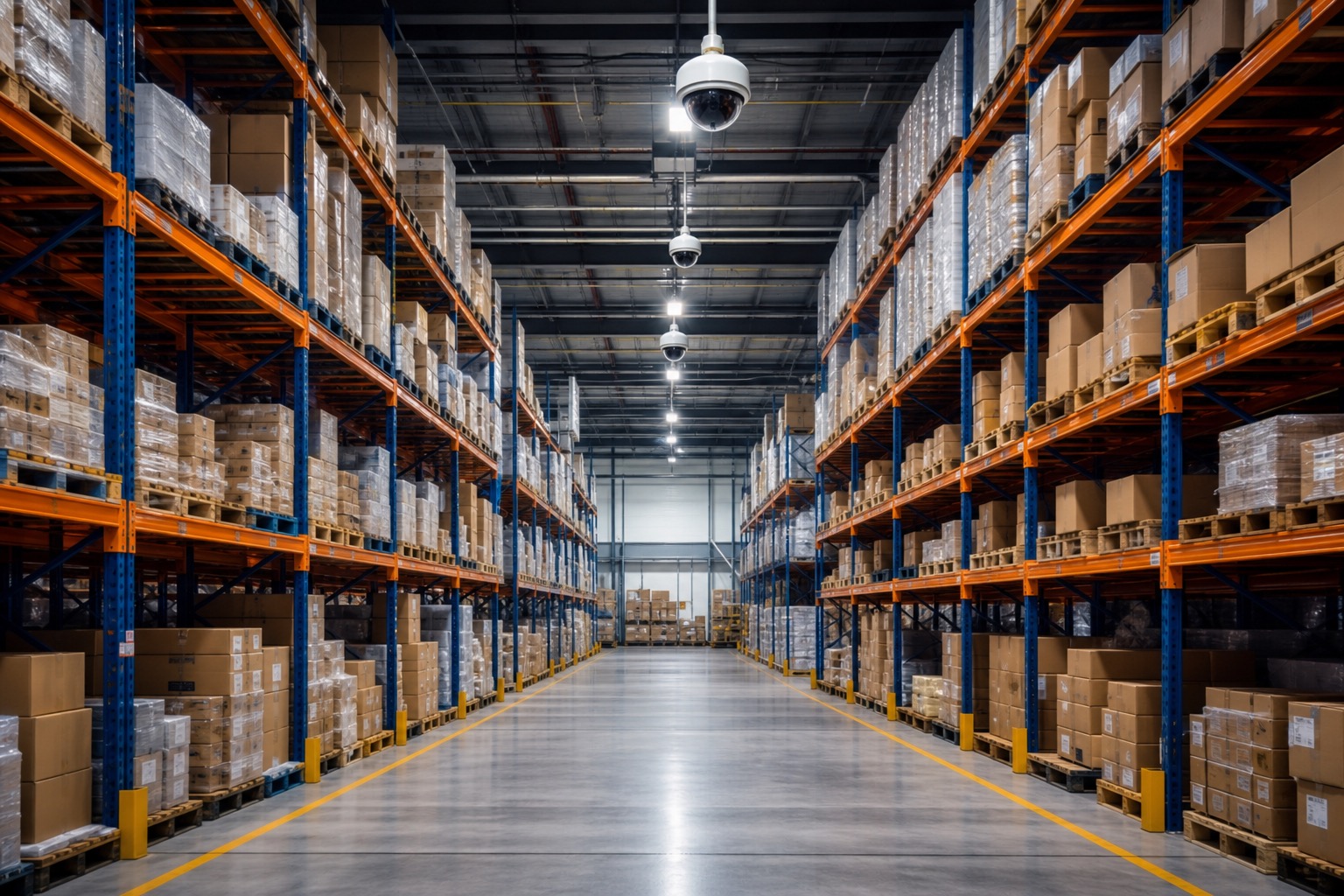
Warehouse bottlenecks: flows, gate queues, equipment movement. A pilot on one zone.
Warehouse scenarioQueues and floor traffic
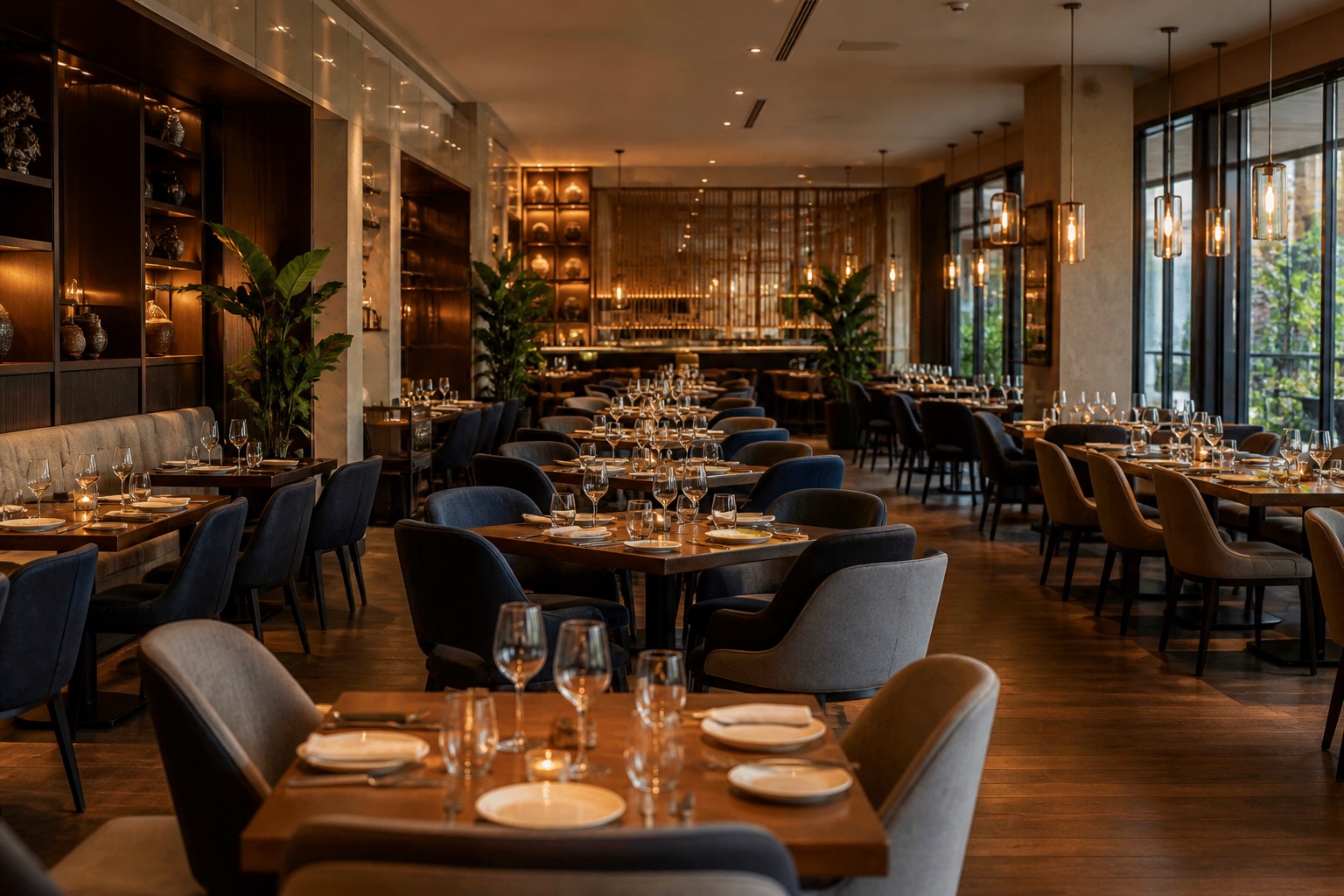
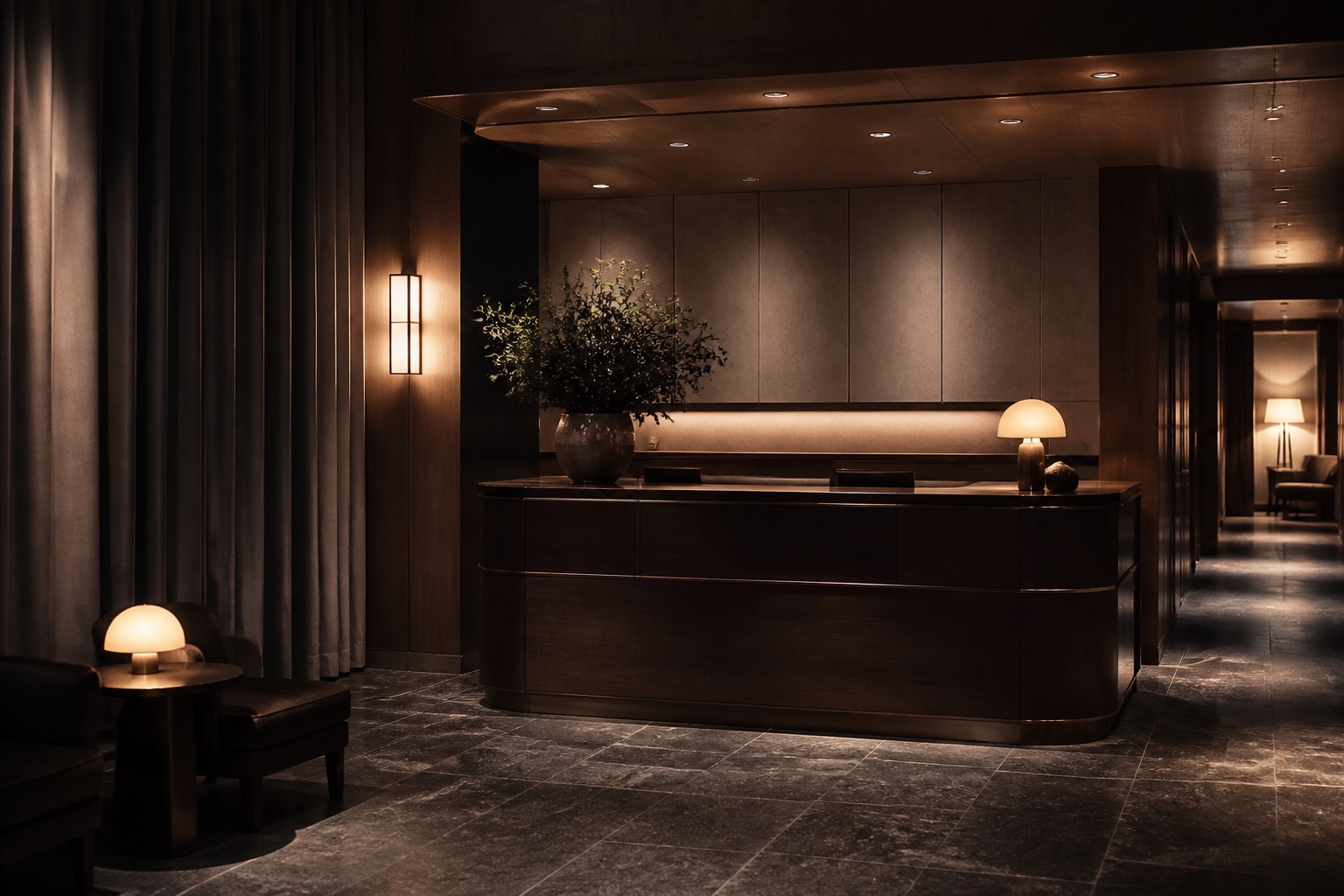
Retail, restaurant, front desk: queues, seating, occupancy. Run the shift on facts, not gut feel.
Queue scenario
How we roll it out
- 01
Review of your site
We look at processes, cameras, and bottlenecks. We lock 1–2 pilot scenarios: what counts as a violation, a defect, or a target event.
- 02
Cameras and contour
We use existing cameras or install the ones you need. Server and network — for your site and data requirements.
- 03
AI training for the job
We write and train models for your scenes: a hard hat on site, a defect on the line, seating on the floor, a phone on the shift.
- 04
Alerts and reports
Events go to a log, Telegram, CRM, or your system. Leadership sees a summary: where the hole is and what to change.
What the company gets
3–6 wks
Pilot on 1 zone: 2–4 cameras, success criteria in the contract
from 250,000 ₽
Software-pilot guide; cameras and server — by agreement
Events 24/7
A defect / PPE / flow log instead of watching the archive by hand
Quote: AI video analytics
from $2,841 · pilot 3–6 weeksWe start with a pilot on 1 zone and 1–2 scenarios. Exact quote after a site brief (cameras, lighting, integrations) in 1–2 business days.
Pilot program
What’s included
- Model and business rules for the scenario
- Alerts (Telegram / journal) and pilot report
- Success criteria in the contract
Success criteria in the contract
- Agreed detection metrics on your frames
- Alert latency and false-positive budget
- Shift usefulness for the master / HSE / manager
What we measure in the pilot
- Time from event to alert
- False positives / misses vs the agreed budget
- Usefulness of the report for the shift lead
| Package | What’s included | Price | Timeline |
|---|---|---|---|
| On-site pilot | 1 zone, 1–2 scenarios (defects / PPE / queue), labeling, model training, alerts, pilot report | from $2,841 | 3–6 weeks |
| Site / line | Multiple cameras, event log, integrations (Telegram/CRM), staff training | by scope | from 2–3 months |
| Network rollout | Multiple sites, monitoring, model updates, SLA | by scope | from 3–6 months+ |
On-site pilot
1 zone, 1–2 scenarios (defects / PPE / queue), labeling, model training, alerts, pilot report
from $2,841
3–6 weeks
Site / line
Multiple cameras, event log, integrations (Telegram/CRM), staff training
by scope
from 2–3 months
Network rollout
Multiple sites, monitoring, model updates, SLA
by scope
from 3–6 months+
What the quote is made of
- Survey and architecture. Cameras, lighting, zones, integrations, success criteria.
- Data and labeling. Frames from your site, defect/PPE rules agreed before training.
- Model and pipeline. Detection, timers, alerts, event journal.
- Hardware. Cameras/edge — only if agreed; otherwise we use what you have.
- Integrations. Telegram, CRM, MES — by scope.
- Handover. Pilot report, playbook, next-zone plan.
What drives the price up
- Cameras and zones. Number of streams and concurrent scenarios.
- Lighting and angles. Dust, glare, night — affect model and hardware.
- Integrations. CRM/MES/WMS and alert channels.
- SLA after pilot. Incidents, retraining, new zones.
What’s not included
- Zero-defect / zero-injury guarantee — the pilot measures detections and processes
- Full camera infrastructure rewrite without a survey
- Vendor licenses outside the agreed scope
Contract scope
- Pilot success criteria are written into the contract before start.
- Staged quote: pilot → scale; no hidden switches.
- Hardware is a separate line unless included by agreement.
Describe the site, camera count and 1–2 scenarios — we return range, timeline and success criteria.
FAQ
Technology infrastructure
Questions on computer vision
Ordinary cameras record the picture. Smart cameras / an AI camera with computer vision recognize events: no hard hat, a defect on the line, a queue, idle time. Leadership gets a log and alerts.
Usually 3–6 weeks on 1 zone and 2–4 cameras: we lock the scenario, train the model on your frames, set up alerts. Success criteria (detection metrics, alert channel) go into the contract before kickoff. Estimate after a brief — in 1–2 business days.
We take 1–2 scenarios on the line: quality control, safety/HSE. We train the neural network on your data, then scale. Separate URL: the defect scenario.
Both. If data must not leave the site — inference on-prem. For a fast pilot an external contour is sometimes enough if security agrees.
Yes: flows, queues, heatmaps, equipment. Separate warehouse and queue URLs are the next wave; a pilot can start from the hub or the defect/PPE scenarios.
Tell us about your site — we will suggest a pilot scenario
Computer vision and AI video analytics: cameras + models show defects, safety violations, and idle time. A pilot for your site — JimmyNeuron.

